A middle way.
The useful question about AI is no longer how fast you can adopt it. It is how to keep people — their judgment, taste, and authorship — at the center while you do.
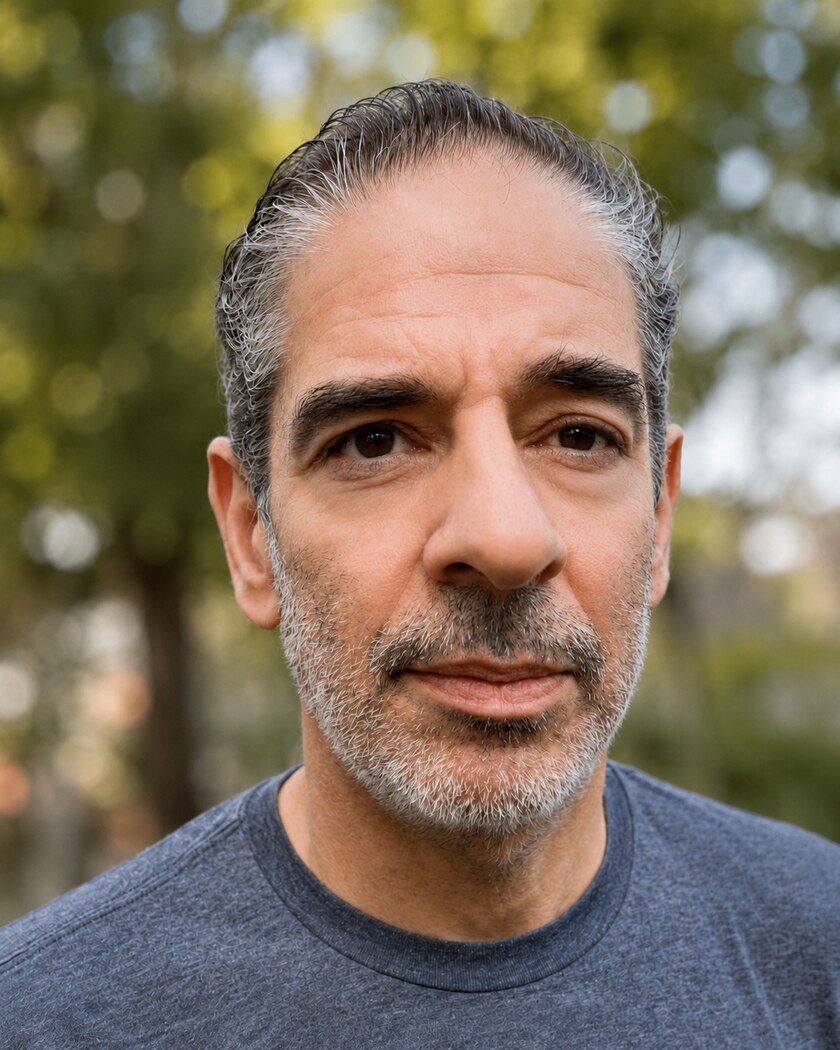
I have spent three decades in the space between human creativity and computation: as a painter, as the author of the first major reference book on the Processing language and an early contributor to it through examples, tutorials, and workshops, and today as a working AI artist and the builder of an AI studio.
My view is a middle way. Do not ban these tools; do not hand them the work. Teach people — and organizations — to direct and judge them. The most original work still comes from constraint and risk; when you can undo or redo ad nauseam, that risk goes away — and with it the chance to synthesize new, original solutions. Good AI integration protects that productive friction instead of erasing it.
The goal is not to automate creativity. It is to help people and institutions direct AI with judgment, taste, authorship, and purpose.